Brown-affiliated study offers model to understand ancient space objects
By Elise Haulund | April 22Since the solar system formed over 4.5 billion years ago, planets and other objects have been subject to constant change due to heating from the Sun.
Since the solar system formed over 4.5 billion years ago, planets and other objects have been subject to constant change due to heating from the Sun.
On Saturday, thousands of students will continue the age-old tradition of flocking to the Main Green to celebrate one of Brown’s most renowned unofficial holidays: 4/20. This year, people may see more students participating in the festivities than in previous years.
Three experts discussed the importance of AI regulation and combating misinformation in “AI and Healthcare,” the fourth event of the “Conversations on AI and our Data-Driven Society” series. The series is hosted by the Office of the Provost in partnership with Brown’s Data Science Institute. ...
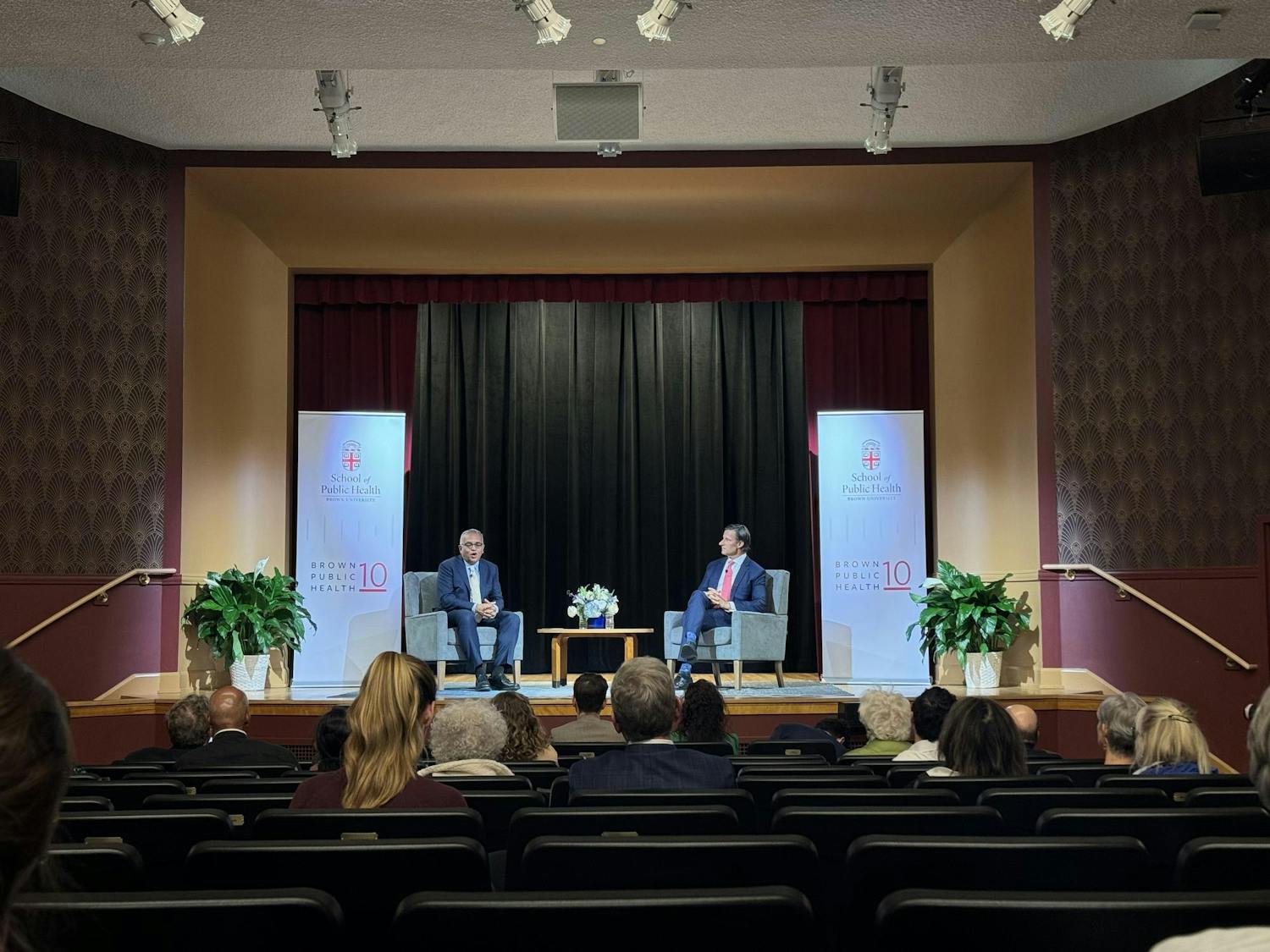
Michael VanRooyen, director of the Harvard Humanitarian Initiative, discussed humanitarian efforts and global crises at the 25th Barnes Lecture hosted by the School of Public Health.
University researchers developed a new technique to predict multiple protein conformations using an AI-based technology called AlphaFold2. Their findings, published in a March study, may aid in drug development.
Students flooded onto the Main Green as 2:15 p.m. approached and Rhode Island’s partial solar eclipse began.
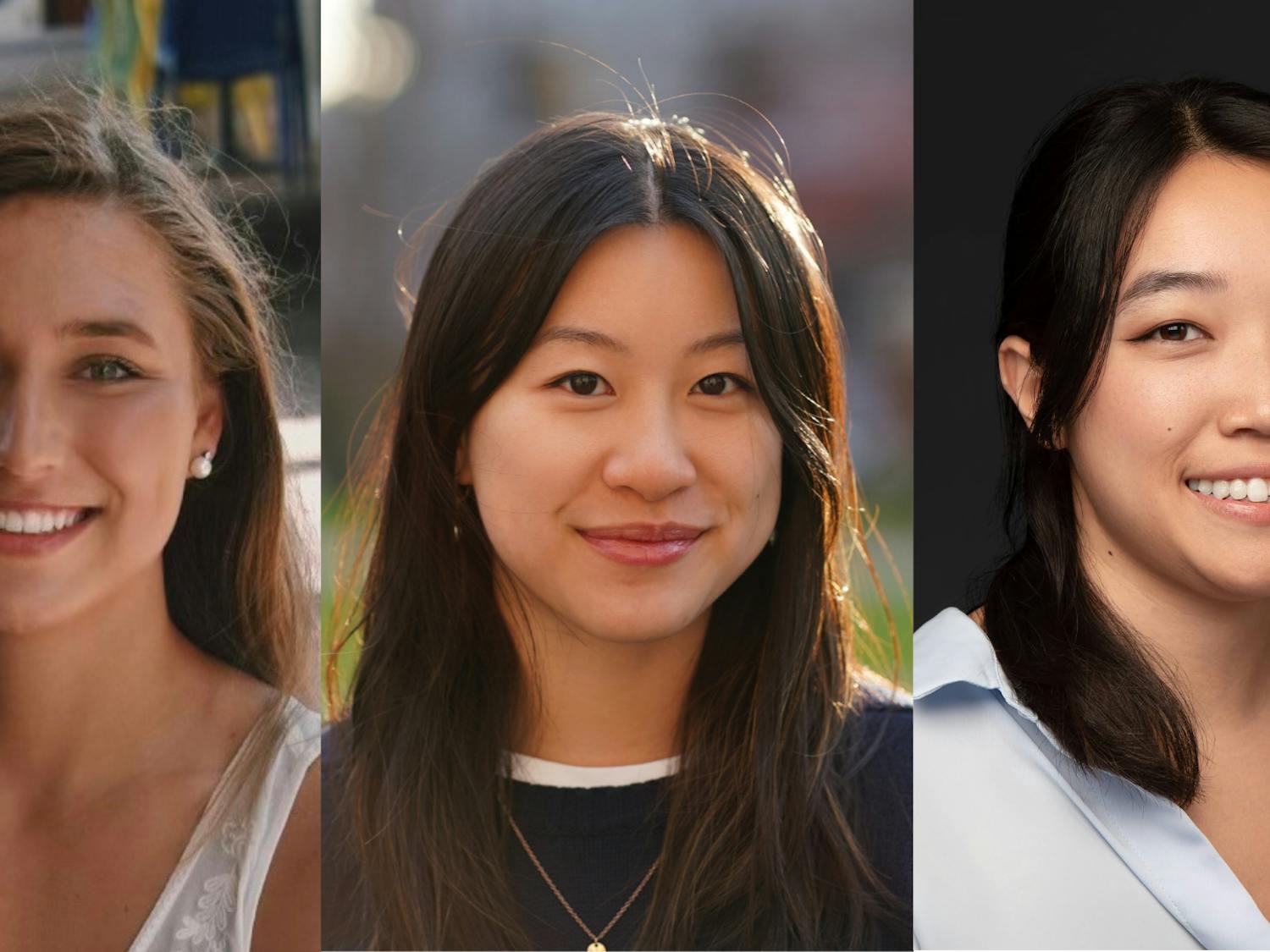
Three Brown students were named Barry Goldwater Scholars, an award intended to support college sophomores and juniors with promising futures as researchers in the sciences, mathematics and engineering. Awardees receive a scholarship of $7,500 per year.
Brown researchers developed an “asynchronous wireless network” for microelectronic chips to transmit and receive data from biomedical devices using a system that mimics how neurons in the brain communicate through electrical signals.
The School of Public Health recognized the research of faculty and students at its Public Health Research Day on Tuesday, April 2 in Alumnae Hall.
To fulfill the first duty of the Hippocratic Oath — “do no harm” — the health care sector must look to its role in reducing carbon emissions, according to a recent study by Brown researchers.
On Thursday, a National Academies of Sciences, Engineering and Medicine committee released a report on sequencing RNA modifications.
The Brown Outing Club and Astronomy Club are organizing a 50-student trip to New York to view the 2024 solar eclipse occurring on April 8. The groups will choose around 10 students from a lottery to join the trip.
In 2020, Juan Alfonzo, a professor of molecular biology, cell biology and biochemistry, began a project out of “pure COVID boredom.”
Young minds from the Providence community came to Brown this Saturday for interactive lessons about neuroscience at the annual Brown Brain Fair. Organized and hosted by student group Brown Brain Bee and the Department of Neuroscience, the fair is a public event for community members of all ages to learn ...
On Jan. 31, the Attorney General of North Carolina released internal documents of e-cigarette company Juul Labs revealing the company spent “significant sums” of money on political donations, think tanks and Washington lobbyists, all made public in a 2021 settlement.
Eric Suuberg, a professor of engineering and technology entrepreneurship, received the 2024 Distinguished Researcher Award from the Energy and Fuels Division of the American Chemical Society.
With the Fulbright Award’s emphasis on cultural exchange and impact, many Fulbright scholars decide to teach English or pursue work in the humanities. But the scholarship has also created opportunities for Brown alums to conduct STEM research abroad.
Driving down Route 195 to Providence, you’re sure to notice banners and billboards advertising marijuana and places to find it. This ubiquity is rare for a drug considered by the U.S. Drug Enforcement Administration to have “no currently accepted medical use and a high potential for abuse.”
Since May 2020, the Pandemic Journaling Project has been collecting journal entries, audio samples and photographs from participants across the globe about life during the COVID-19 pandemic. On Feb. 15, Katherine Mason and Sarah Willen, associate professors of anthropology at Brown and the University ...
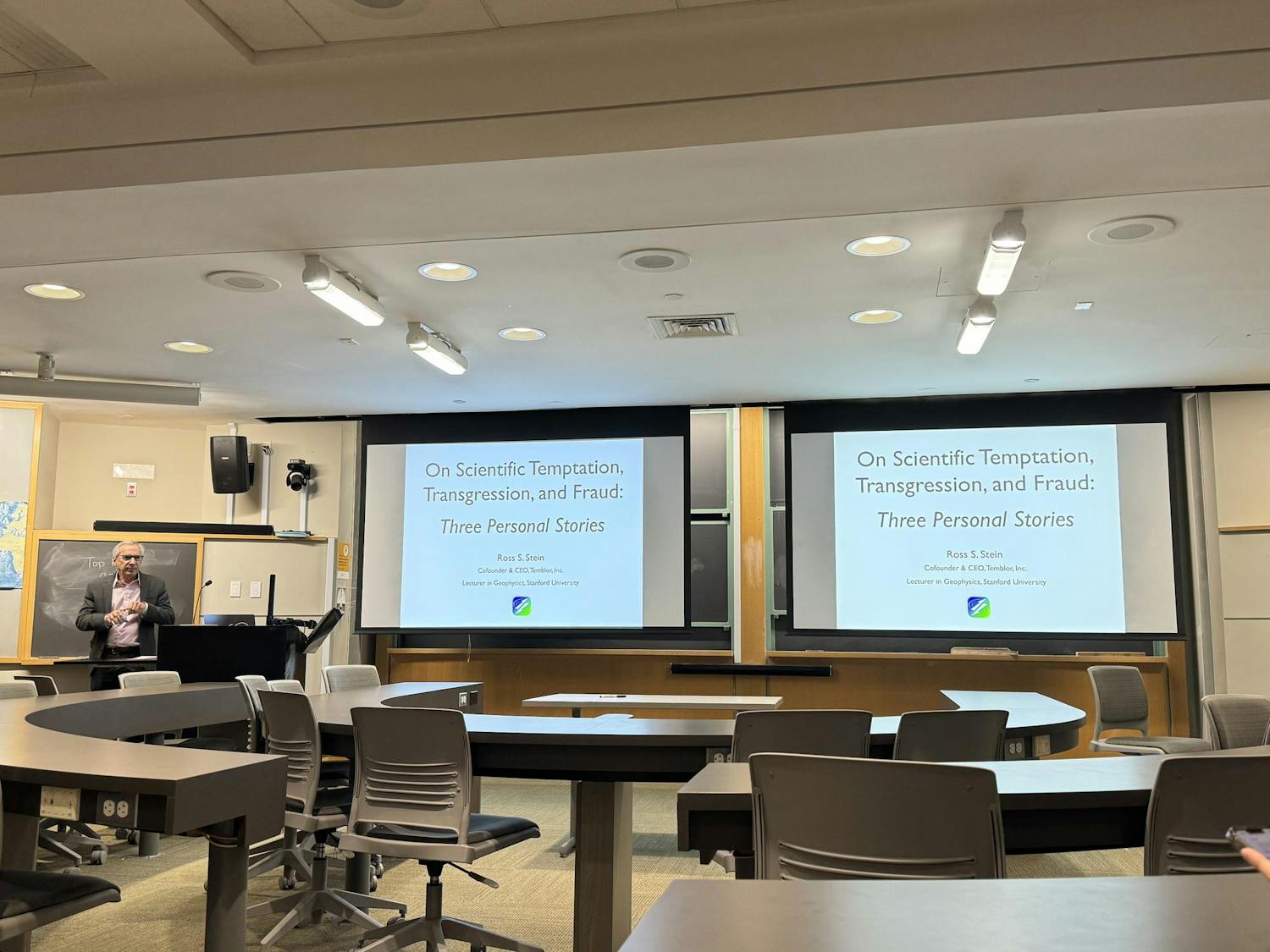
On Tuesday, geologist Ross Stein ’75 presented a workshop for aspiring researchers on identifying scientific fraud. The talk also focused on the complexities and risks of reporting such fraud to relevant authorities.