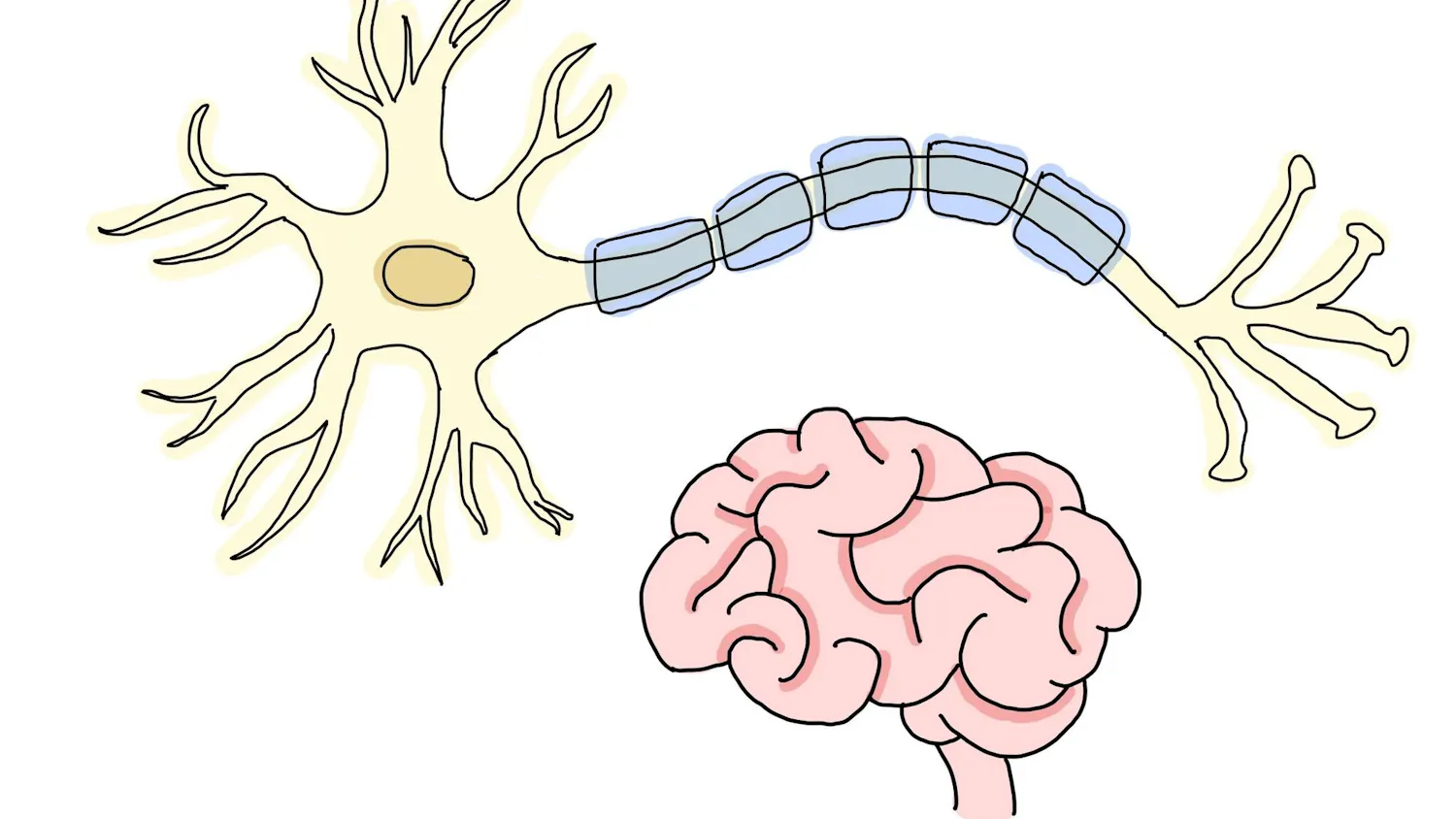
Since the 1970s, federal government agencies have made significant strides towards reducing lead exposure. In children, even low blood lead levels can disrupt development and cause irreversible brain damage.
A recent study led by a group of researchers, including Professor of Epidemiology Joseph Braun, used national and state-level data from 2011 to 2023 to examine current trends in childhood blood lead levels. Researchers found that while national data suggests that lead levels are down, state-level data shows disparities between these levels in certain populations, including children who are economically disadvantaged, foreign-born or part of a racial or ethnic minority.
Fifty years ago, the average blood lead level of children aged between age one and five was 15 micrograms per deciliter, said Mary Jean Brown, an assistant professor of social and behavioral sciences at Harvard. Today, that number sits at 0.8, making the reduction of blood lead levels a “success,” she added.
But these decreases have not been uniform across all populations. According to the study, minority children in most of the seven states assessed had higher percentages of elevated blood lead levels than their counterparts. Lower socioeconomic status was also correlated with higher blood lead levels.
“There’s been a lot of talk about how lead is over, and we don’t have to worry about it anymore,” said Mary Jean Brown. “But this paper got a lot of people rethinking that idea.”
Before 1978, leaded-based paint was frequently used in homes, which made it a common source of lead poisoning, particularly in young children. In 1992, the Residential Lead-Based Paint Hazard Reduction Act was passed to minimize lead exposure from house paint. But residential lead removal has it’s difficulties, Mary Jean Brown explained.
“If you start scraping paint off walls … you’re going to create a lot of hazardous dust,” she said. This leads some property owners to cover lead paint with a new coat of non-lead paint.
DeeAnn Guo, a community organizer at the Childhood Lead Action Project, said that oftentimes, there is overlap between the children exposed to lead and children living in rental housing. She sometimes “sees an overlap between families in more vulnerable situations who are afraid to bring up their concerns about unsafe housing conditions for fear of retaliation from a landlord.”
Although retaliation from a landlord for expressing concerns about health and safety is illegal in Rhode Island, Guo said these concerns could be a potential impediment to a zero-exposure future.
Lead is also entering our ecosystem through manners other than lead paint. Mary Jean Brown noted that certain spice imports, children’s jewelry and other everyday products can sometimes contain lead, making it difficult to combat the issue. “This isn’t something an individual can do or something that even a state can do,” she said. “But we have got to stop putting lead into stuff.”