
A new study by Brown researchers looking at emergency department encounters involving refugee children in Rhode Island found that differences in language and cultural backgrounds led to disparities in how these patients seek healthcare.
According to Suraiya Hamidzada, a research assistant at the School of Public Health and an author on the study, the idea stemmed from doctors sharing “anecdotal evidence” that many burn injuries coming into the R.I. pediatric emergency department system were from refugee populations.
“They wanted to see if there was actual actual data backing that up,” she said.
Giovanna Deluca, assistant professor of emergency medicine and the study’s first author, explained that researchers examined 483 encounters with pediatric refugee patients over an eight-year period.
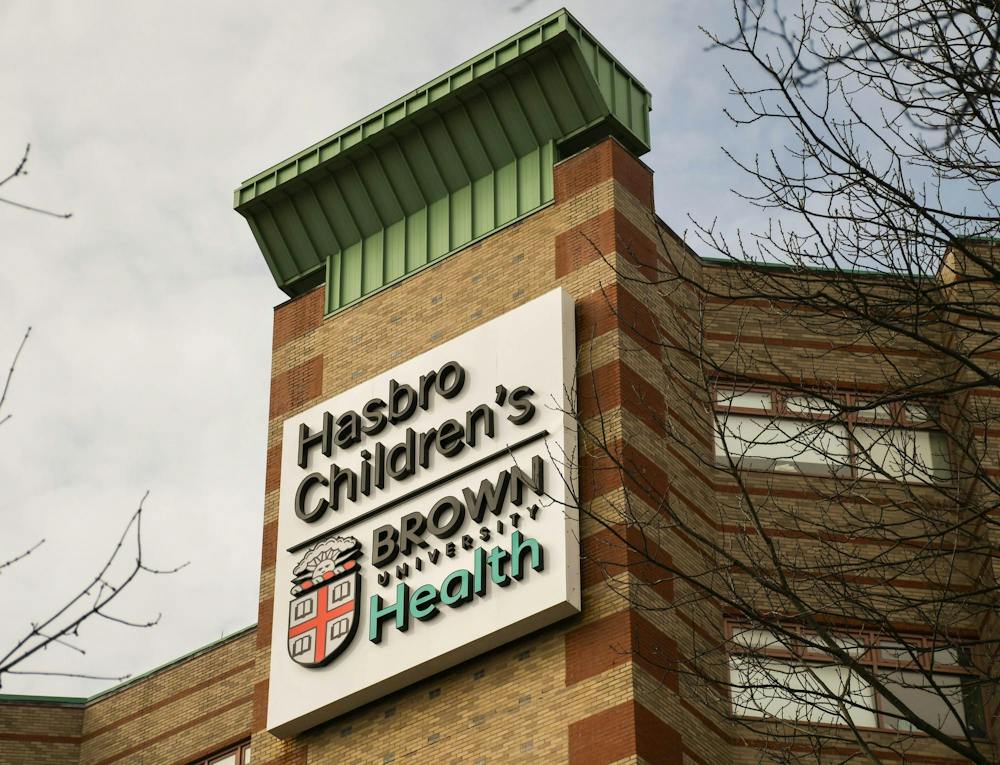
According to Deluca, pediatric refugees in Rhode Island go through Hasbro Children’s Hospital. Upon arrival, the patients undergo a medical health screening exam, which is labeled with an International Classification of Disease code. One of these codes — which classify diseases, causes of death and health conditions — signals that a refugee health exam was performed. By using this code, researchers could identify and analyze the pediatric refugee patients who had visited the emergency department between 2015 and 2023.
According to Hamidzada, because the researchers could not categorize the data by the patients’ country of origin, the data was broken down into language groups logged under the visitors’ translator services. From there, researchers found a myriad of differences and disparities between those groups.
“What I thought was most interesting is that even though Arabic speakers made up the majority of the pediatric refugee ER visits, none of those visits were for mental health reasons,” Hamidzada said.
Spanish and Swahili speakers, which represent minorities in the overall data, made up the majority of mental health-related visits, she added. “That kind of begs the question: Why isn’t this Arabic-speaking population coming for mental health visits to the ER?”
To reduce these disparities, “the biggest takeaway is that we need to really understand what cultural aspects are involved and peoples’ influences on why they visit and why they seek emergency care,” Deluca said. Next, Deluca said she thinks researchers should interview families and their providers to start answering this question.
According to Deluca, the study also found that a “really high amount of trauma” visits came from a single zip code in Rhode Island.
“That's kind of something to be looked at,” she said. “Why are patients having more trauma from that zip code? Is it just by chance that that happened, or are there really more things that could be more susceptible to injury or trauma in that area, or based on their housing situation, based on their driving situation, their roads, their sidewalks, et cetera.”
According to Stephanie Chow Garbern, associate professor of emergency medicine who was not involved with the study, “it is difficult to make any broad interpretations of why mental health and trauma visits differ by primary language” because the study is retrospective.
“However, the findings suggest that further research is needed into how sociocultural and micro-geographic differences result in different care-seeking behaviors and the types of acute medical issues that bring children to the ED,” she wrote in an email to The Herald.
Garbern added that using geographic information systems could help map patterns of trauma and allow researchers to understand geographical differences in emergency department visits.
Deluca hopes that future research can address the question: “Is it that certain cultures or populations are less likely to seek care for mental health issues, and if so, why is that the case, and how do we help support them best?”

Alice Xie is a section editor for Science and Research from Los Angeles, California. She studies Applied Mathematics and Biology, and enjoys reading gut wrenching literature in her free time.


